
by Joe Bennett | Sep 23, 2026 | 5live, Forensic Musicology, musicology, Popular Music, Research, Songwriting
This week Johnny I’Anson and I got behind the wheel! The car is among the most enduring cultural symbols of the modern age, and perhaps nowhere is this seen more obviously than in the sphere of Popular music. On the show, we looked at examples of “car... 
by Joe Bennett | Jun 11, 2026 | 5live, Forensic Musicology, musicology, Popular Music, Songwriting
This week on the show we marched to the beat of our own (snare) drum! The snare drum is descended from the medieval tabor, a drum with a single-gut snare strung across its bottom. It has its origins in warfare, but is now a central feature of any modern... 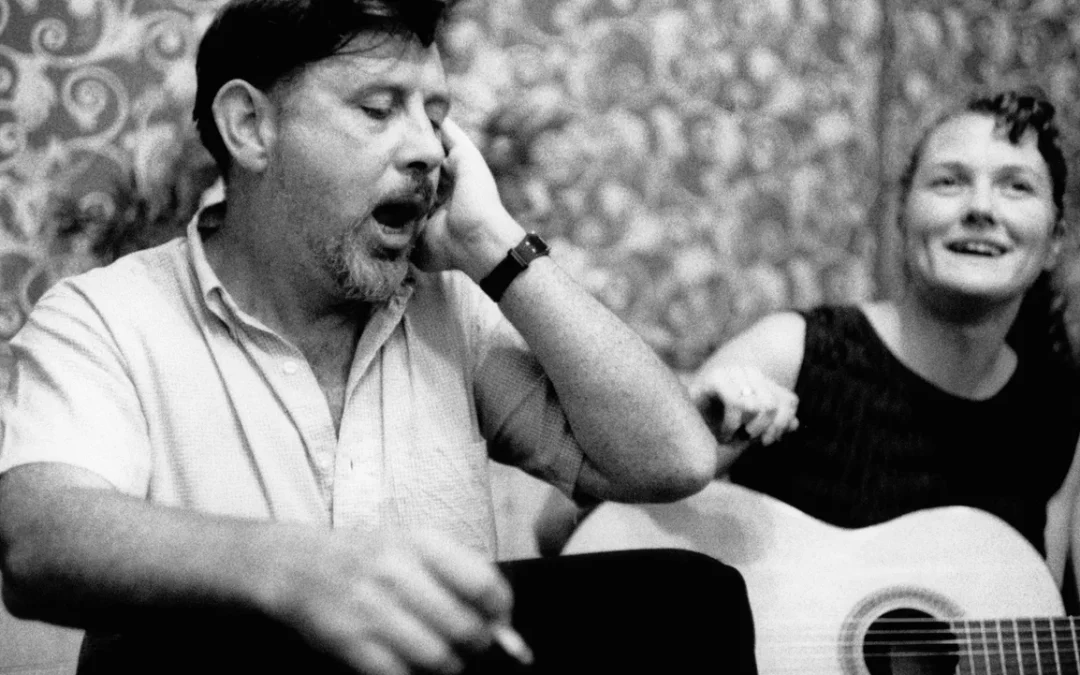
by Joe Bennett | Jun 9, 2026 | 5live, Forensic Musicology, music education, musicology, Popular Music, Research, Songwriting
This week, Tony and I Hit the North (stay tuned for more on that)! Lancashire is a ceremonial county in North West England, and is bordered by Greater Manchester. Cumbria, North and West Yorkshire, Merseyside, and the Irish Sea. The county has a long tradition of... 
by Joe Bennett | Jun 9, 2026 | 5live, Forensic Musicology, musicology, Popular Music, Songwriting
On the show this week, Tony and I opened The Hot List and listened to songs about A-listers. Songs about celebrities have existed for around a century; essentially since the birth of celebrity culture. This week we explored some notable names who have found themselves... 
by Joe Bennett | Jun 9, 2026 | 5live, fm, Forensic Musicology, musicology, Popular Music, Songwriting
This week, Tony and I explored the ii-V-I! The ii-V-I, or 2-5-1, is a type of harmonic progression known as a cadence. Cadences are sequences of two or more chords used to conclude a passage, section, or song; they are a kind of musical punctuation. The ii-V-I is a... 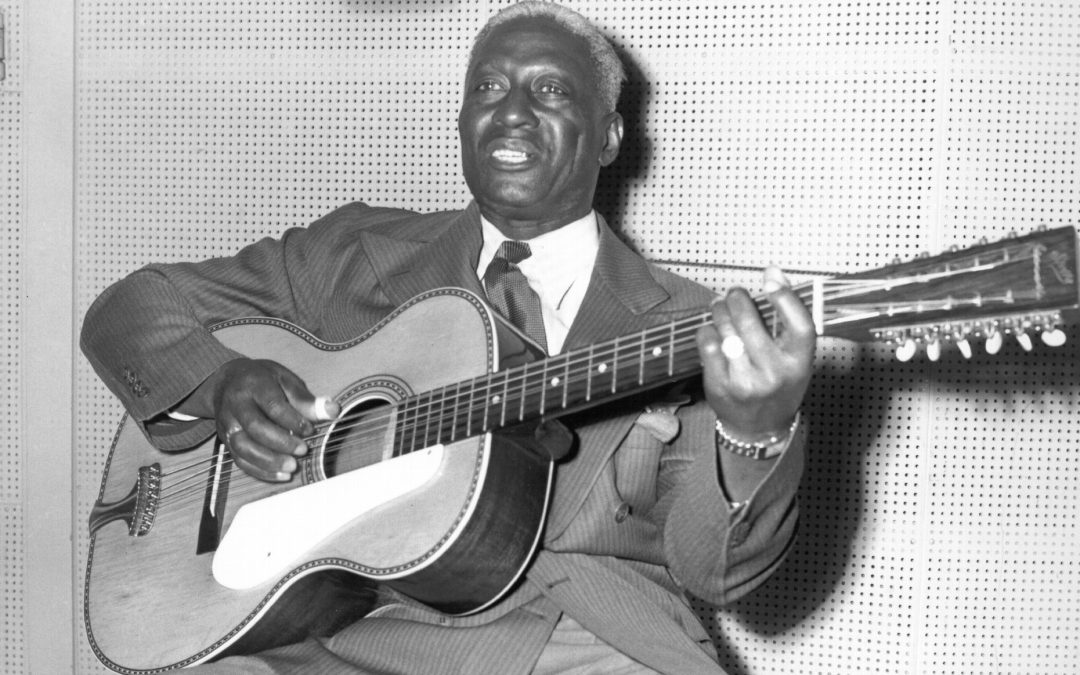
by Joe Bennett | May 26, 2026 | 5live, Forensic Musicology, musicology, Popular Music, Research, Songwriting
This week Tony and I tuned up the twelve-string! Twelve-string guitars date back to the nineteenth century, and feature 12 strings in six courses (each pair are closely spaced) that produce a thicker and more ringing tone than a standard six-string guitar. Their use...
Recent Comments