

This week Johnny I’Anson and I got behind the wheel! The car is among the most enduring cultural symbols of the modern age, and perhaps nowhere is this seen more obviously than in the sphere of Popular music. On the show, we looked at examples of “car songs”and heard how artists have understood the car culture across the decades.
Jackie Brenston & Joni Mitchell
Rocket88 was first recorded in Memphis, Tennessee in March of 1951. The recording was credited to Jackie Brenston and his Delta Cats; Brenston did provide the vocals, but the “Delta Cats” were in fact Ike Turner and his Kings of Rhythm. Brenston was also officially listed as the songwriter, and Ike Turner – who (also) wrote Rocket88 – was left uncredited. The song was produced by Sam Phillips, and licensed to Chess Records for release. Turner and his band were only paid $20 each (US$248 in 2025 dollars) for the recording, with the exception of Brenston who sold rights to Phillips for $910. Rocket88 is a hymn of praise to the Oldsmobile Rocket 88 automobile, which was excpetionally fast for the time; it one of the quickest American production cars available and dominated early NASCAR racing. Musically, Rocket88 borrows from two older car-related songs: Cadillac Boogie by Jimmy Liggins (1947) and Rocket Boogie “88 by Pete Johnson (1949). It also contains the first use of distorted guitar on record. The “legend” says that guitarist Willie Kizart‘s amplifier was damaged on Highway 61 while the band were driving from Mississippi to Memphis, so the amplifier was stuffed with newspaper to hold the broken cone in place, which in turn created the distorted sound…
Joni Mitchell released Big Yellow Taxi in 1970 on her third album Ladies of the Canyon. The single went to number fifteen in Canada, number six in Australia, number eleven on the UK Singles chart, and number 67 on the US Billboard Hot 100. Mitchell wrote Big Yellow Taxi during her first trip to Hawaii, where she was shocked to find the natural landscape outside her hotel spoiled by a large parking lot (or car park for any Brits reading). As well as addressing environmental concerns (“Hey farmer, farmer, put away that DDT now”), Mitchell recounts the departure of her “old man” in the eponymous “big yellow taxi”, which may appeal to the old Metro Toronto Police patrol cars, which until 1986 were painted yellow. Other charting versions of Big Yellow Taxi have been recorded by the Neighborhood (who had original top US 40 hit with the track in 1970, peaking at No. 29), Amy Grant (1995), and Counting Crows and Vanessa Carlton (2002). The song was also sampled in Janet Jackson‘s 1997 song Got ’til It’s Gone.
Kraftwerk & Tracy Chapman
Autobahn was released as the lead single from Kraftwerk‘s fourth album of the same name (1974). It was composed by Ralf Hütter and Florian Schneider, with additional lyric contributions from German painter, poet and audio-visual artist Emil Schult. Autobahn is Kraftwerk‘s first song to use sung lyrics, and is designed to capture the feeling of driving on a motorway. It was the band’s biggest hit in the US, and went to number 25 on the Billboard Hot 100; it also reached number eleven on the UK Singles chart. The song was only released with German lyrics, and its main refrain “Fahren Fahren Fahren” is often mistaken for the English phrase “Fun Fun Fun” – indeed it was thought to be a reference to the Beach Boys‘ 1964 song Fun, Fun, Fun.
Tracy Chapman released Fast Car as her debut single on April 6th 1988 through Elektra Records; it also served as the lead single from her self-titled debut studio album in the same year. The song tells the story of a working woman attempting to escape the cycle of poverty, and the titular fast car serves as a symbol of escape and hope. Chapman performed the song at the Nelson Mandela 70th Birthday Tribute concert in June 1988, and the performance helped Fast Car become a top-ten hit around the world. Fast Car reached number six on the Billboard Hot 100 and number five on the UK Singles chart, and the album Tracy Chapman went to number one on the Billboard Top 200. The song has since reached one billion streams on Spotify (as of January 2025), and re-charted at number four in the UK in 2011 after Michael Collings performed it on Britain’s Got Talent.
Frank Ocean & Big Thief
White Ferrari is the fourteenth track on car-lover Frank Ocean‘s second studio album Blonde (2016). The song follows a journey in a car that Ocean is taking with a lover, who is ambiguously referred to only in the second-person perspective. The synth sounds in the song were recorded by Buddy Ross on a Roland Juno-106, and features uncredited vocals from James Blake and Justin Vernon. White Ferrari credits Paul McCartney and John Lennon as writers due to Ocean‘s interpolation of the line “Making each day of the year” from The Bealtes‘ Here, There and Everywhere (1966); Ocean changes the lyric to “spending each day of the year” but retains the melody. Frank Ocean has been credited by several critics as a pioneer of alternative R&B. His debut album Channel Orange (2012) won the Grammy award for Best Urban Contemporary Album and was nominated for album of the year, and his second album Blonde (2016) debuted at number one worldwide.
Big Thief are an American indie folk band formed in 2015 comprised of Adrianne Lenker (vocals, guitar), Buck Meek (guitar) and James Krivchenia (drums). Wake Me Up To Drive is the fourteenth track on band’s fifth album Dragon New Warm Mountain I Believe in You (2022), which was released as a double album through label 4AD. The song uses the imagery of a drive in a car as a metaphor to examine a relationship. Wake Me Up To Drive was written by lead vocalist, guitarist and principal songwriter Adrianne Lenker, who is an accomplished solo artist in her own right; her sixth album Bright Future (2024) earned a nomination for the Grammy Award for Best Folk Album.
Let Me Ride
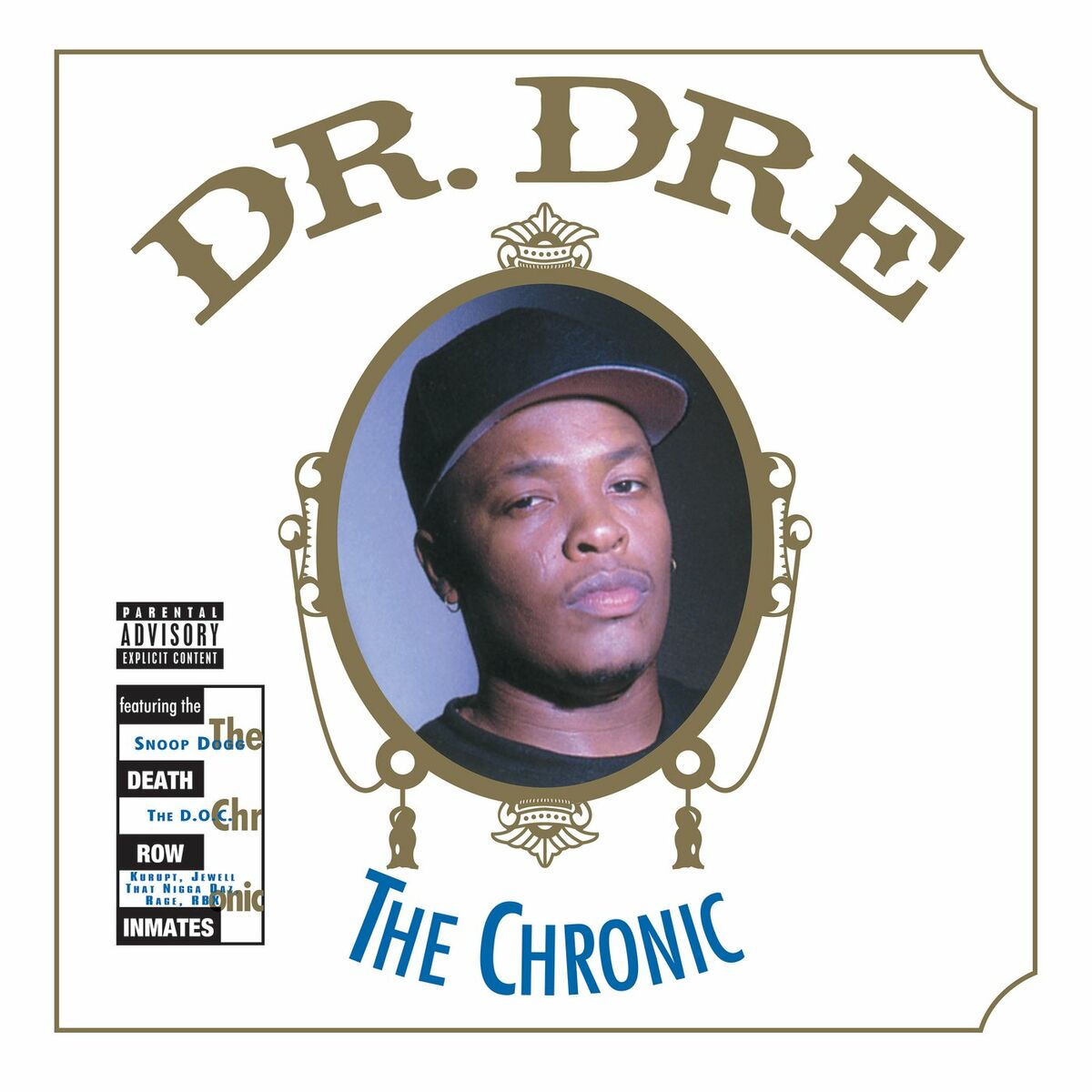
For our soundslike this week we dissected the G-Funk classic Let Me Ride by Dr Dre, Snoop Dogg, RBX, and Jewell (1992). The chorus samples and interpolates the chorus of the Mothership Connection (Star Child) by Parliament (1976), which itself quotes the spiritual Swing Down Sweet Chariot. Let Me Ride also samples James Brown‘s Funky Drummer (1970), Bill Withers‘s Kissing My Love (1973), and Southside Movement‘s Save the World (1974) as sampled in King Tee‘s Ruff Rhyme (Back Again) (1990).
Car Quiz
For our quiz this week, you heard excerpts of songs that feature the word “car” – guess the artist and song!
As always, find the show and blog at joebennett.net/5live, with occasional Instagram extras at @joebennettmusicology. With a new show comes a new Spotify mega-playlist, which contains all songs featured on the show:
And you can still listen to our old mega-playlist here.
- Words: Joe Bennett, John Pierce O’Reilly
- Audio production: Joe Bennett, Rafi Waters
Recent Comments