

This week Tony and I took a trip to Scandinavia. The lands of fire and ice, fjords and forests, minimalism, vikings, and incredible Pop music! It speaks to the musical strengths of the region that even ABBA (pictured) didn’t feature on the show…
From Denmark to Norway
The Lollipops formed in Copenhagen in 1960, and their breakthrough came with Do You Know (How Much I Love You) (1963), a Beatles-inspired beat track built on a Cm–F–Cm–G progression, recorded when they were still teenagers. Three years later, they shifted styles with Naked When You Come (1966), a moody, minor-key song with an Am–Am6 riff that echoed the darker edge of The Animals or The Zombies. The group sparked “Lollipopmania” in Sweden and by 1965 were releasing albums of original material. Like many beat bands, however, they struggled to keep pace with late-60s progressive trends, briefly experimenting with heavier sounds before returning to pop covers. They split in 1971 but reformed two years later, finding new success with Danish-language hits.
Originally recorded in 1984, Take On Me began life as a song written by Pål Waaktaar and Magne Furuholmen for their pre-a-ha band Bridges. The first two versions failed to chart, but their persistence paid off when producer Alan Tarney re-cut it for the band’s 1985 debut Hunting High and Low. Take On Me reached No. 2 in the UK and topped the Billboard Hot 100, boosted by its groundbreaking rotoscope animation video, later voted one of the greatest music videos of all time. A-ha had initially worried the riff was too poppy, first offsetting it with a punky edge, but the polished pop vision ultimately defined them.
Sweden to Finland…
Swedish duo The Merrymakers (Anders Hellgren and David Myhr) channeled Jellyfish, The Beatles, and Crowded House into the radiant power pop of April’s Fool. Released first on No Sleep ’Til Famous (1995) and later reissued on Bubblegun (1997), the song glows with layered harmonies, sunny guitars, and a chord sequence nodding to classic pop craft. Though it never charted in the UK, the track became a cult favourite in Japan, where the band toured to packed houses and saw multiple reissues. It’s pure 90s pop revival, Swedish in execution but global in its inspirations.
HIM, formed in Helsinki in 1991 and fronted by Ville Valo, styled themselves as pioneers of “love metal,” fusing gothic imagery with melodic rock. Join Me in Death (1999), from their second album Razorblade Romance, became their breakout. Its romantic, sacrificial lyrics sparked controversy (and was renamed Join Me in the US), yet the lush, melancholic hook carried it to No. 9 in the UK and gold sales in Germany. With Finland boasting the highest density of metal bands worldwide (around 70 metal bands for every 100,000 people), HIM stood out as ambassadors of a softer, gothic-romantic strain that found mass international appeal, their heartagram logo becoming an early-2000s pop-goth icon.
And back to Sweden…
Stockholm sisters Klara and Johanna Söderberg (First Aid Kit) turned a viral Fleet Foxes YouTube cover into an acclaimed career in Americana-tinged folk. My Silver Lining (2014), the lead single from their third album Stay Gold, was produced by Bright Eyes’ Mike Mogis and paired Nashville-style songwriting with sweeping string arrangements by Nathaniel Walcott. Lyrically existential and tinged with melancholy, it reflects on perseverance and finding beauty in struggle. The song reached No. 66 in the UK and became a festival and soundtrack staple, heard in films like Wild and Big Little Lies. It cemented First Aid Kit’s reputation as Scandinavia’s answer to American folk tradition.
Avicii blurred EDM and folk in Wake Me Up (2013). Premiered live at Ultra Festival with a full band, it shocked audiences by pairing Aloe Blacc’s soulful (and uncredited) vocal and Mike Einziger’s acoustic guitar with Avicii’s euphoric drops. Dubbed “folktronica,” it became the summer anthem of 2013. It went to No. 1 in 22 countries, was the highest-charting UK dance track of the decade, and the first electronic single to sell over 4 million in the US. With 2.4 billion YouTube views today, it remains Avicii’s definitive legacy, showing how EDM could cross into pop’s mainstream without losing its festival power.
I Keep Forgettin’
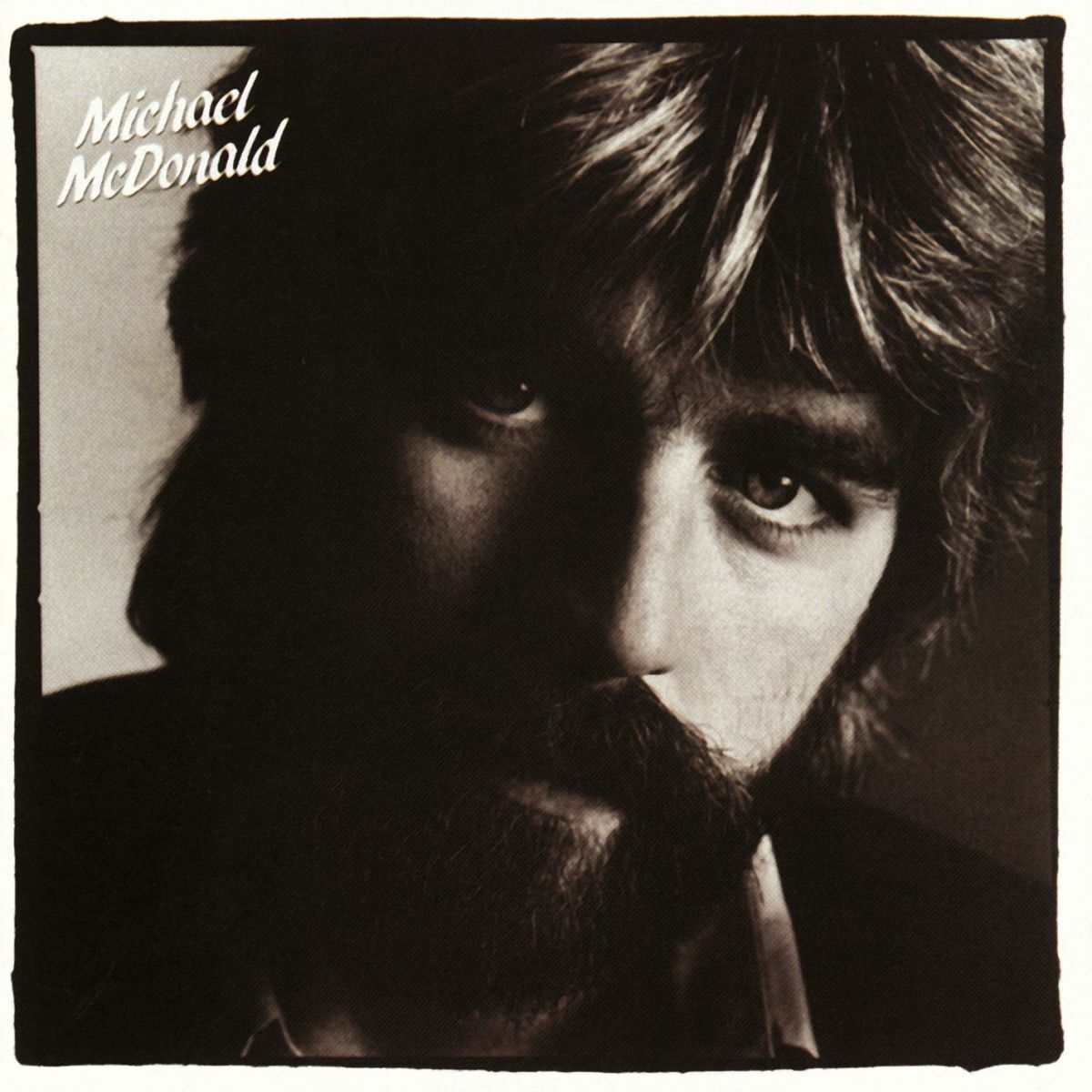
Our soundslike this week explored an example of legitimate copying, where each artist sought the correct permissions; not a coincidence but a creative choice. We traced through Chuck Jackson’s I Keep Forgettin’ (1962), Michael McDonald‘s I Keep Forgettin’ (Every Time You’re Near) (1982), and Regulate by Warren G & Nate Dogg (1994).
Scandies Quiz
For our quiz this week, we played clips from famous songs written by Scandinavian songwriters – guess the artist and song! Bonus points for the songwriter.
As always, find the show and blog at joebennett.net/5live, with occasional Instagram extras at @joebennettmusicology. With a new show comes a new Spotify mega-playlist, which contains all songs featured on the show:
And you can still listen to our old mega-playlist here.
- Words: Joe Bennett, John Pierce O’Reilly
- Audio production: Joe Bennett, Rafi Waters
Recent Comments